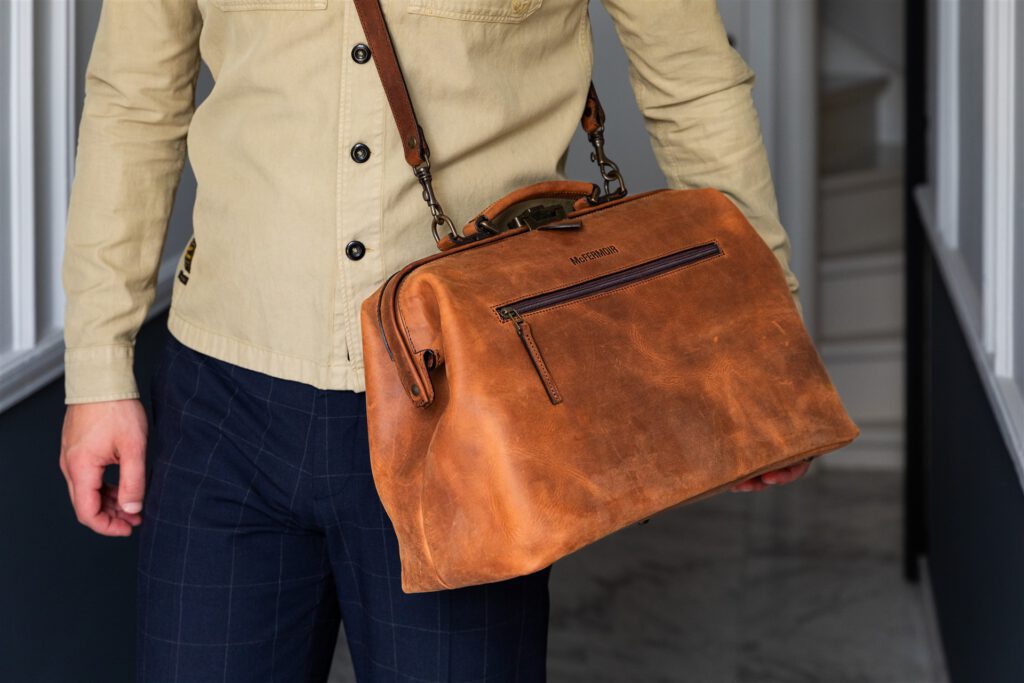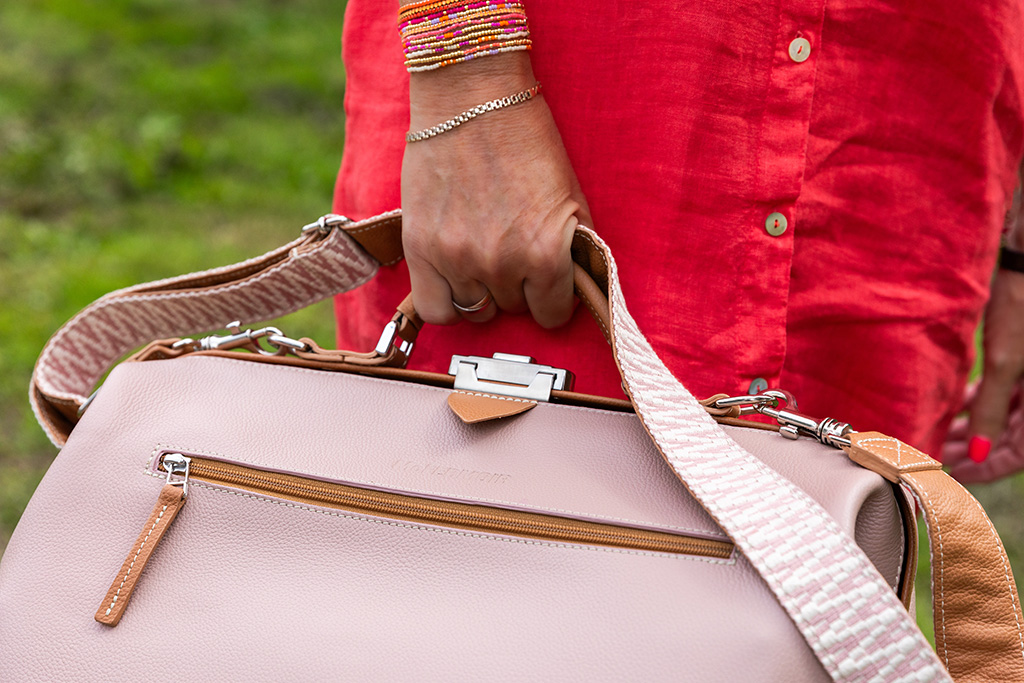
As a midwife or healthcare professional, you know how important it is to be well prepared when going out. The birth bag – also called birth case or midwife bag – is the indispensable tool for home visits and home births. In this article you’ll read everything about the birth bag: what it is, why it’s so important, and which contents absolutely must not be missing. This way you’ll always be optimally prepared for every situation!
What is a birth bag?
A birth bag is a specially designed, portable bag in which midwives carry all essential medical instruments, materials and emergency provisions for home care. In the Netherlands, where home births occur relatively frequently (16-24% of births take place at home), the birth bag is a crucial part of the midwife’s daily practice. The bag is arranged so you can quickly and clearly access all your necessities, whether performing a routine check or acting in an emergency situation. The birth bag essentially brings the delivery room to the client’s living room.
Why is a birth bag indispensable?
1. Always and everywhere prepared
The birth bag ensures that as a midwife you always have everything at hand, regardless of location. Whether it’s a regular check, a birth or an acute situation: you’re immediately deployable.
2. Safety and quality of care
With a well-filled birth bag you can offer optimal care to both mother and child. You have everything with you for monitoring, hygiene, acute interventions and aftercare.
3. Efficiency and mobility
The bag is designed for mobility and overview. You can quickly switch between different clients and situations without forgetting anything.
4. Hygiene and infection prevention
The birth bag contains sufficient sterile and disposable materials to guarantee a safe and clean working environment, essential for preventing infections.
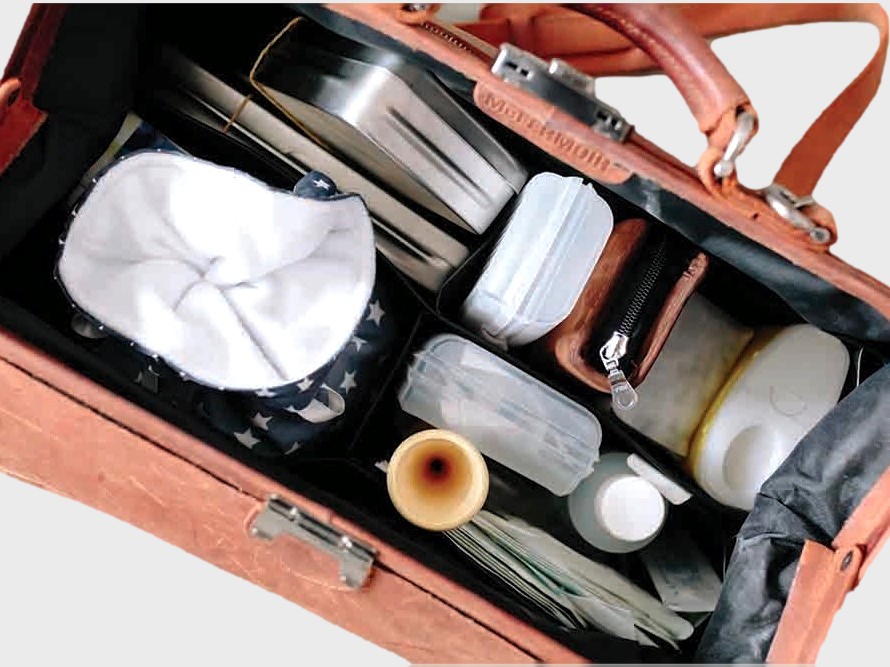
Which contents go in a birth bag?
The exact contents can vary per practice and region, but the following list gives a complete overview of the standard equipment of a birth bag for home visits and home births:
1. Basic medical equipment
- Fetoscope/Doppler: For listening to the baby’s heartbeat.
- Stethoscope: For checking mother and child.
- Blood pressure monitor: For monitoring the mother’s blood pressure.
- Thermometer: For measuring the temperature of mother and baby.
- Urine dipsticks: For quick urine analysis.
2. Sterile and disposable materials
- Sterile gloves: For all actions where hygiene is essential.
- Sterile gauze and compresses: For wound care and cleaning.
- Lancets: For blood sampling, for example during the heel prick.
- Suture set: For stitching any tears.
- Umbilical clamps and umbilical cord scissors: For clamping and cutting the umbilical cord.
- Amnihook: For artificially breaking the waters if necessary.
3. Emergency and resuscitation necessities
- Infusion set and fluids: For administering fluid in emergencies.
- Neonatal resuscitation set: With ventilation bag and mask for newborns.
- Suction device: For clearing the baby’s airways.
- Oxygen supply: Portable oxygen cylinder for emergencies (depending on practice).
4. Necessities for the newborn
- Measuring tape: For measuring length and head circumference.
- Baby scale: For weighing the newborn.
- Vitamin K: For administration to the baby.
- Erythromycin eye ointment: For eye prophylaxis (if applicable).
5. Other essential aids
- Blood sampling kit: For mother or child.
- Writing materials and documentation: For maintaining files and registration.
- Hand disinfection and cleaning products: For hygiene between visits.
- Personal protective equipment (PPE): Such as face masks and aprons, especially since COVID-19.
6. Non-medical and personal items
- Durable, well-organised bag: Such as a leather doctor’s bag or specially designed birth bag.
- Personal items: Think of snacks, water, phone charger for long shifts.
- Midwife pass and ID: For identification and legal obligations.
7. Traditional or personal necessities
- Herbal remedies or essential oils: Sometimes taken along depending on the client’s wishes and the midwife’s vision.
Best practices for using the birth bag
Regular checking and refilling: Ensure the bag is always complete and up-to-date.
Hygiene first: Clean and disinfect materials after each visit.
Clear organisation: Use compartments and organizers so you can quickly access your items. For example: Set of 4 coloured polyester pouches with window for doctor’s bag
Documentation: Keep all actions and findings well recorded for optimal care continuity.
Why choose a birth bag from Dokterstassen.nl?
At dokterstassen.nl you’ll find an extensive range of elegant, durable and practical birth bags, specially designed for midwives. Our bags combine classic design with modern functionality, so you’re always professionally and well prepared on the road.
High-quality materials: Leather and synthetic bags of top quality.
Practical organisation: Sufficient compartments and space for all your necessities.
Stylish and professional: For a representative appearance with every client.
Conclusion
The birth bag is the beating heart of home midwifery care. With a well-filled and organised bag, as a healthcare professional you’re always prepared for every situation – from routine check to emergency birth. Invest in a quality birth bag and ensure your contents are always up-to-date. This way you offer the best care, wherever and whenever needed!
Curious about our range? View the birth bag collection on dokterstassen.nl and choose the bag that suits your practice!