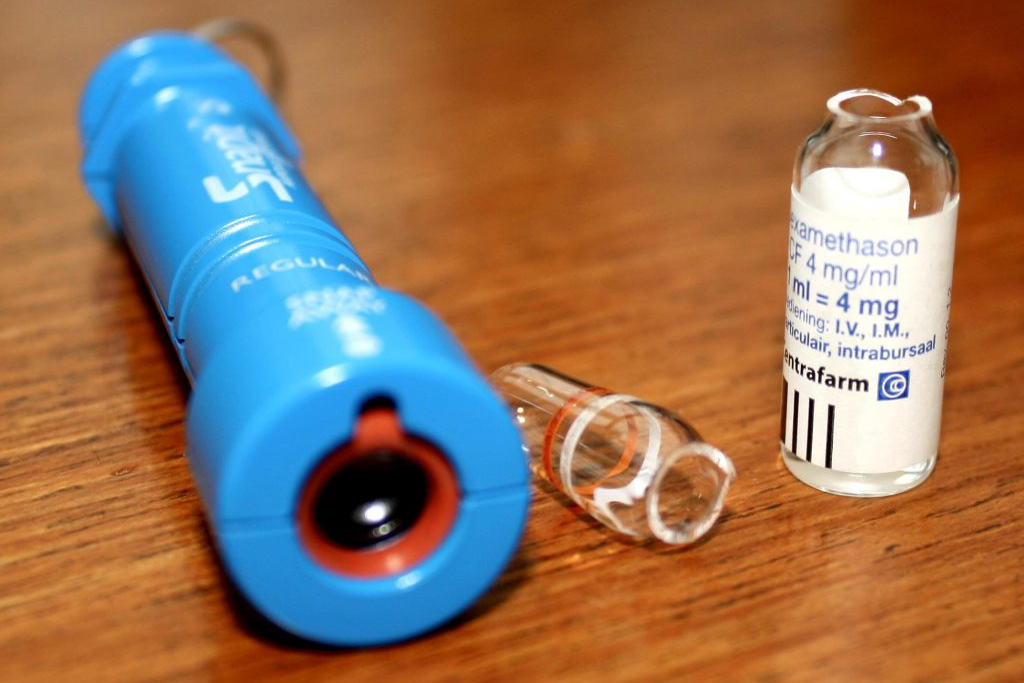
Ampoules are small glass bottles used for storing and administering various types of liquids, such as medicines and injections. They’re widely used in the medical world and are essential for the safe and accurate administration of medication. In this article we’ll look at who uses ampoules, what they’re used for and some examples of their use by medical professionals such as GPs. The ampoule opener and ampoule case will also be discussed.
Who uses ampoules?
Ampoules are used in various medical situations by different professionals. Here are some examples of who uses ampoules:
Medical professionals
GPs, specialists, nurses and other medical professionals use ampoules to administer medicines to patients. They’re often used in hospitals, clinics and other medical facilities.
Pharmacists
Pharmacists play a crucial role in preparing and delivering medication to patients. They use ampoules to package and label medicines for administration.
Ambulance personnel
In emergency medical situations, ampoules are often used by ambulance personnel to administer medication to patients quickly and efficiently.
Applications of ampoules
Ampoules are used for various purposes in the medical world. Here are some common applications:
Medication
Ampoules are used to administer various types of medicines, such as antibiotics, painkillers, vaccines and antiemetics (against nausea and vomiting).
Injections
Ampoules are often used for administering injections, such as intramuscular (into the muscle), subcutaneous (under the skin) and intravenous (into the vein) injections.
Diagnostic tests
Some ampoules contain fluids used for diagnostic tests, such as blood tests or urine tests.
Infusions
Ampoules are also used in infusions, where fluids are administered directly into the bloodstream.
Examples of use by medical professionals
GPs and other medical professionals regularly use ampoules in their daily practice. Here are some examples of ampoule use by medical professionals:
Pain control
GPs can use ampoules to administer painkillers to patients with acute or chronic pain.
Antibiotics
When treating infections, GPs can prescribe ampoules containing antibiotics to administer the medication directly to the patient.
Vaccinations
Ampoules are used when administering vaccinations, where the correct dosage of the vaccine is determined and packaged in an ampoule.
Emergency care
In emergency situations, GPs can use ampoules to quickly administer life-saving medication, such as adrenaline for an anaphylactic reaction.
The use of ampoules by medical professionals varies depending on the specific needs of the patient and the nature of the condition.

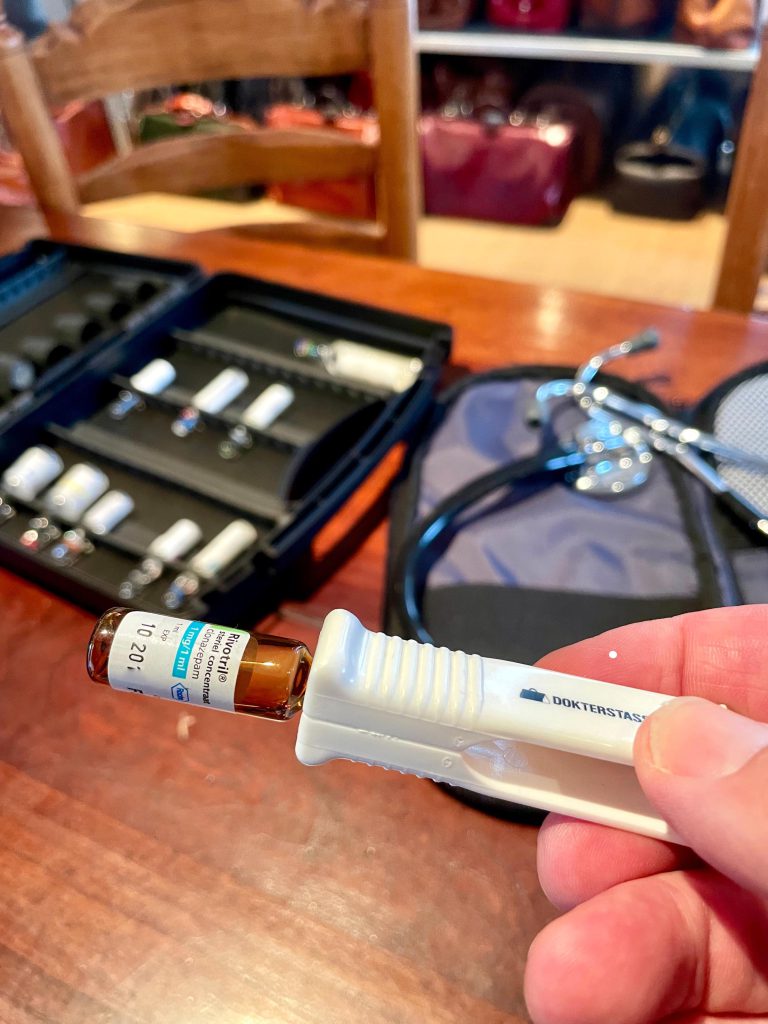
Ampoule case
An ampoule case is a practical accessory specially designed to store ampoules safely and organised. It offers protection against breakage and helps with easily finding the desired ampoule. Here are some advantages of using an ampoule case:
Protection
An ampoule case prevents ampoules from breaking or being damaged during transport.
Organisation
With an ampoule case you can keep your ampoules organised, so you can quickly find the desired ampoule.
Convenience
The compact format of an ampoule case makes it easy to take everywhere, whether travelling or to work.
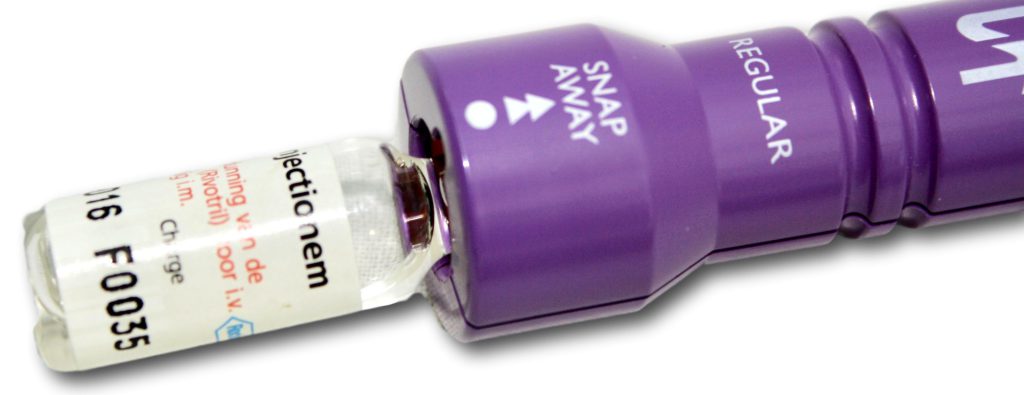
Ampoule opener
An ampoule opener is a practical tool specially designed to safely open ampoules without the risk of injury. Here are some advantages of using an ampoule opener:
Safety
An ampoule opener protects your hands from possible cuts or injuries when opening an ampoule.
Convenience
With an ampoule opener you can open ampoules quickly and easily without much effort.
Hygiene
An ampoule opener ensures that the contents of the ampoule aren’t contaminated by coming into direct contact with your hands.
Conclusion
Ampoules are essential tools in the medical world for the safe and accurate administration of medication. They’re used by various medical professionals, including GPs, to administer medicines to patients. Ampoules have various applications, such as administering medication, performing diagnostic tests and administering infusions. The use of ampoules by medical professionals depends on the specific medical needs of the patient. View our practical and professional ampoule holders.